”Börsen i Argentina kan stiga 258 procent till 2021”
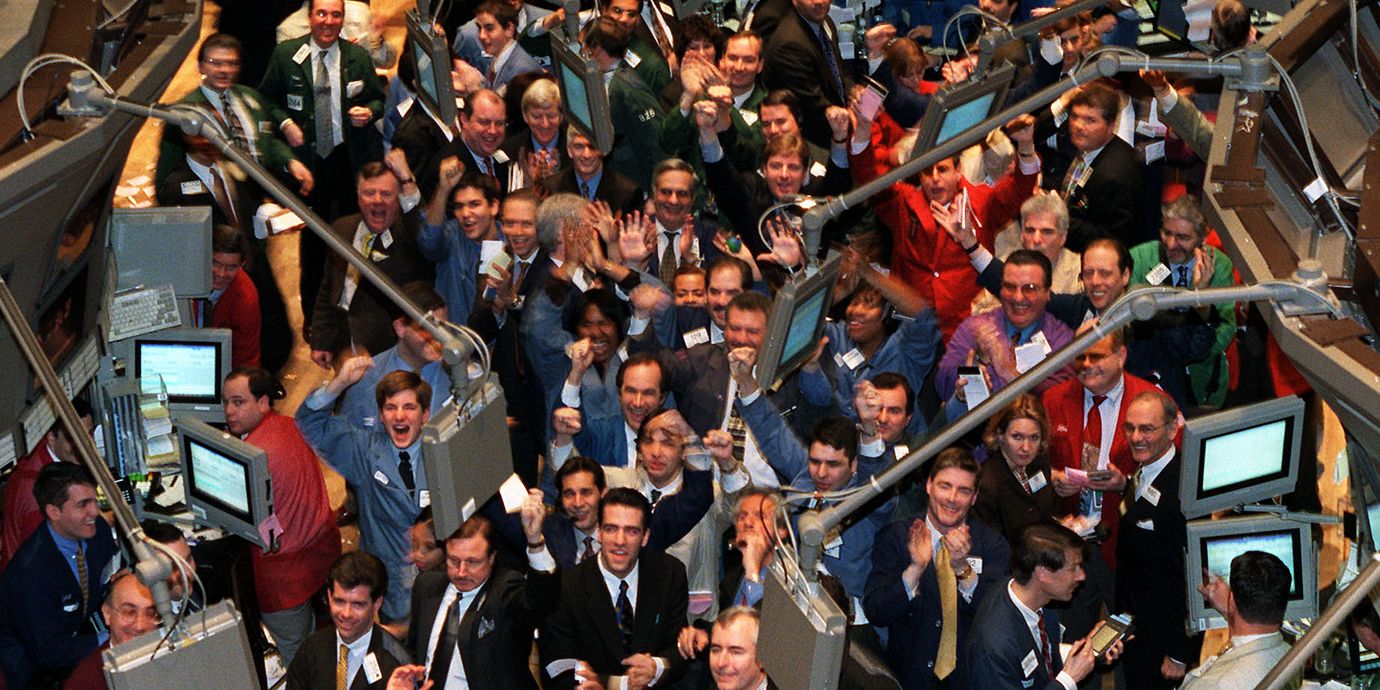
Om man vill ha rejäl avkastning på sina pengar de kommande fem åren ska man satsa på Argentinabörsen. I alla fall om man får tro storbanken Morgan Stanley, som räknar med att börsen kan stiga med uppemot 258 procent fram till 2021, skriver Business Insider och hänvisar till ett analysbrev som skickades ut till kunderna tidigare i veckan.
Enligt banken är landet på väg tillbaka till ett ekonomiskt och politiskt normaltillstånd, efter åratal av kaos sedan den finansiella kollapsen 2002.
258 procent är däremot bankens bästa scenario. De menar däremot att 133 procent är det mest troliga, enligt tidningen.
bakgrund
Depressionen i Argentina
Wikipedia (en)
The 1998–2002 Argentine Great Depression was an economic depression in Argentina, which began in the third quarter of 1998 and lasted until the second quarter of 2002. It almost immediately followed the 1974–1990 Great Depression after a brief period of rapid economic growth.
The depression, which began after the Russian and Brazilian financial crises, caused widespread unemployment, riots, the fall of the government, a default on the country's foreign debt, the rise of alternative currencies and the end of the peso's fixed exchange rate to the US dollar. The economy shrank by 28 percent from 1998 to 2002. In terms of income, over 50 percent of Argentines were poor and 25 percent, indigent; seven out of ten Argentine children were poor at the depth of the crisis in 2002.
By the first half of 2003, however, GDP growth had returned, surprising economists and the business media, and the economy grew by an average of 9% for five years.
Argentina's GDP exceeded pre-crisis levels by 2005, and Argentine debt restructuring that year were resumed payments on most of its defaulted bonds; a second debt restructuring in 2010 brought the percentage of bonds out of default to 93%, though holdout lawsuits led by vulture funds remained ongoing. Bondholders who participated in the restructuring have been paid punctually and have seen the value of their bonds rise. Argentina repaid its International Monetary Fund loans in full in 2006, but had a long dispute with the 7% of bond-holders left. In April 2016 Argentina came out of the default when the new government decided to repay the country's debt, paying the full amount to the vulture/hedge funds.
Omni är politiskt obundna och oberoende. Vi strävar efter att ge fler perspektiv på nyheterna. Har du frågor eller synpunkter kring vår rapportering? Kontakta redaktionen