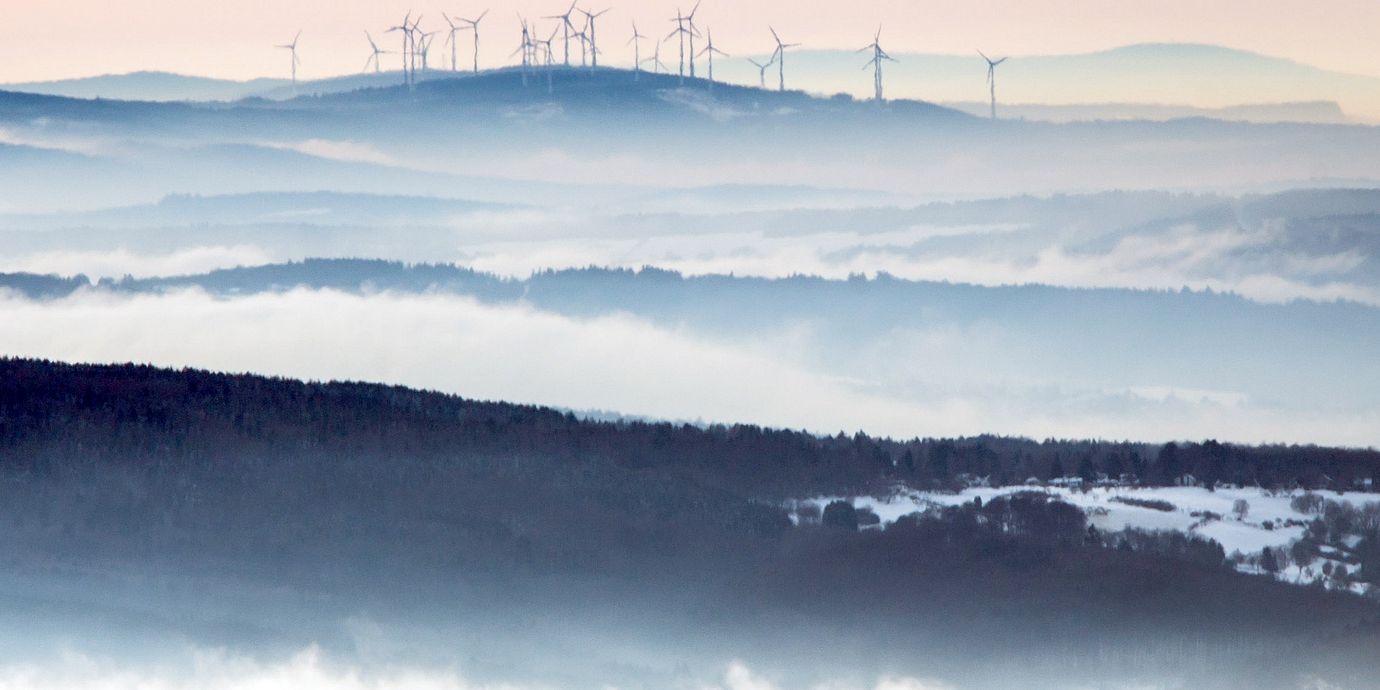
Europas energijättar ställer om till vindenergi
Europas oljejättar genomgår en metamorfos för att göra sin verksamhet förnyelsebar, skriver Wall Street Journal. Tidningen pekar bland annat på att Statoil för tillfället bygger sin tredje vindkraftverkspark till havs. Dessutom ingår Shell i ett konsortium som kommer att hantera byggandet och driften av den planerade Borssele-parken i Nordsjön.
Omställningen har varit efterfrågad av bolagets aktieägare och beror på förväntan om att efterfrågan på olja och gas kommer att minska i spåren av klimatförändringarna.
bakgrund
Havsbaserad vindkraft
Wikipedia (en)
Offshore wind power or offshore wind energy is the use of wind farms constructed offshore, usually on the continental shelf, to harvest wind energy to generate electricity. Higher wind speeds are available offshore compared to on land, so offshore wind power’s contribution in terms of electricity supplied is higher, and NIMBY opposition to construction is usually much weaker. The cost of offshore wind power has historically been higher than that of onshore wind generation, but in 2016 had decreased to €72.70/MWh (€87/MWh with cables) at the 700 MW Borssele and to €49.90/MWh ($55.34, without transmission) at the 600 MW Kriegers Flak.
As of 2013 the 630 megawatt (MW) London Array is the largest offshore wind farm in the world, with the 504 (MW) Greater Gabbard wind farm the second largest, followed by the 367 MW Walney Wind Farm. All are off the coast of the UK. These projects will be dwarfed by subsequent wind farms that are in the pipeline, including Dogger Bank at 4,800 MW, Norfolk Bank (7,200 MW), and Irish Sea (4,200 MW). At the end of June 2013 total European combined offshore wind energy capacity was 6,040 MW. UK installed 513.5 MW offshore windpower in the first half year of 2013.
Omni är politiskt obundna och oberoende. Vi strävar efter att ge fler perspektiv på nyheterna. Har du frågor eller synpunkter kring vår rapportering? Kontakta redaktionen