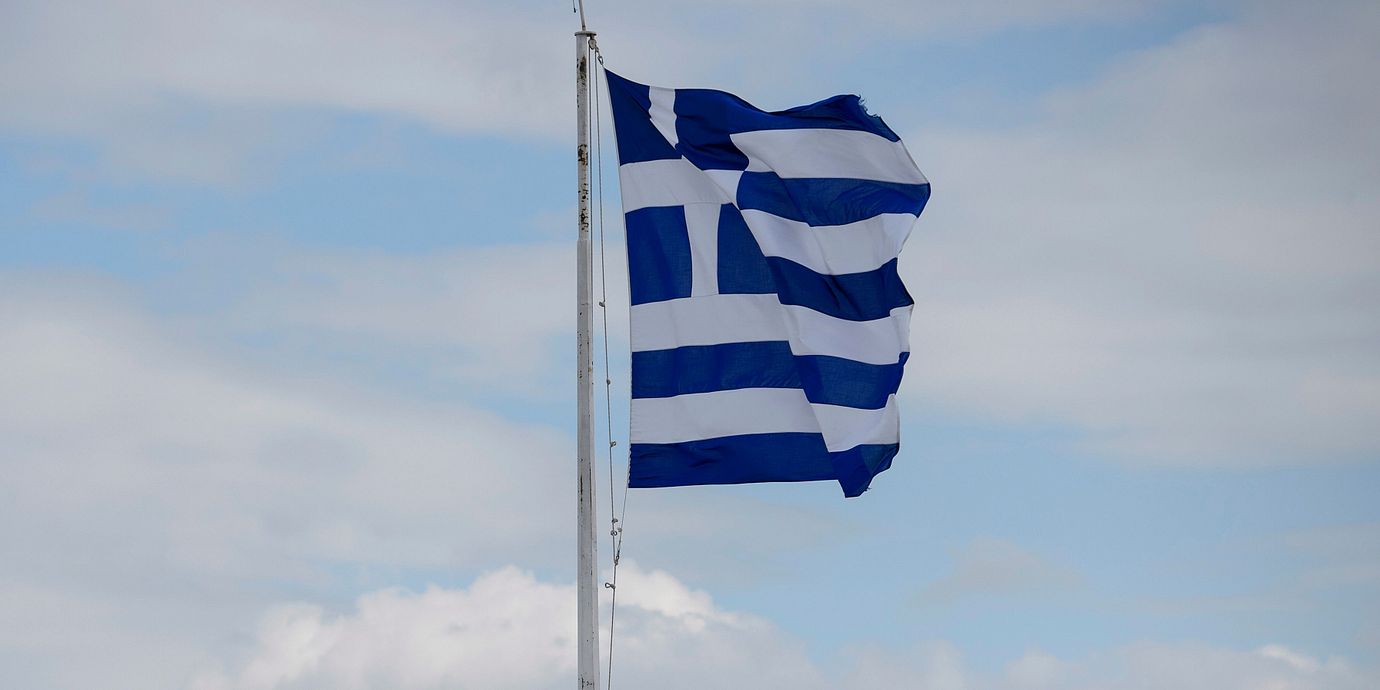
Grekland kritiserar IMF för obeslutsamhet
Det är dags för Internationella valutafonden, IMF, att bestämma sig angående Grekland. Det säger landets ekonomiminister Dimitri Papadimitriou alltmedan en översyn av det senaste grekiska räddningspaketet pågår.
– IMF har ändrat åsikt många gånger. Det är väldigt svårt att veta om de i själva verket vill vara med eller ställa sig utanför. Jag tror att de vill vara med, och vi vill att de ska vara med, säger ministern enligt Bloomberg.
bakgrund
Den grekiska skuldkrisen
Wikipedia (en)
The Greek government-debt crisis (also known as the Greek Depression) is the sovereign debt crisis faced by Greece in the aftermath of the financial crisis of 2007–08. The Greek crisis started in late 2009, triggered by the turmoil of the Great Recession, structural weaknesses in the Greek economy, and revelations that previous data on government debt levels and deficits had been undercounted by the Greek government.
This led to a crisis of confidence, indicated by a widening of bond yield spreads and rising cost of risk insurance on credit default swaps compared to the other Eurozone countries, particularly Germany. The government enacted a dozen rounds of tax increases, spending cuts, and reforms from 2010 to 2016, which at times triggered local riots and nation-wide protests. Despite these efforts, the country required bailout loans in 2010, 2012, and 2015 from the International Monetary Fund, Eurogroup, and European Central Bank, and negotiated a 50% "haircut" on debt owned to private banks in 2011. After a popular referendum which rejected further austerity measures required for the third bailout, and after closure of banks across the country (which lasted for several weeks), on 30 June 2015, Greece became the first developed country to fail to make an IMF loan repayment. At that time, debt levels had reached €323bn or some €30,000 per capita.
Omni är politiskt obundna och oberoende. Vi strävar efter att ge fler perspektiv på nyheterna. Har du frågor eller synpunkter kring vår rapportering? Kontakta redaktionen