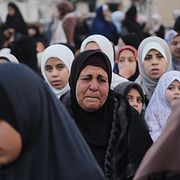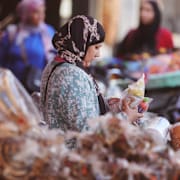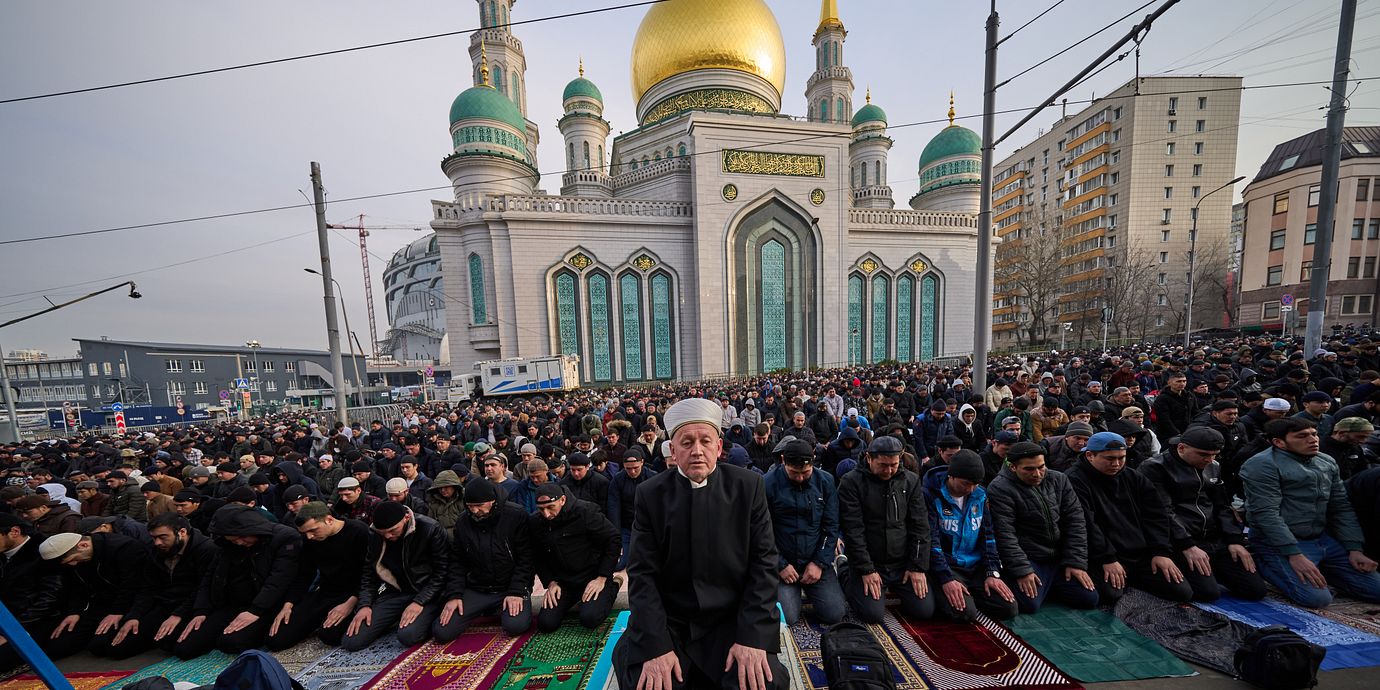
Se bilder från omvärldens firande av eid al-fitr
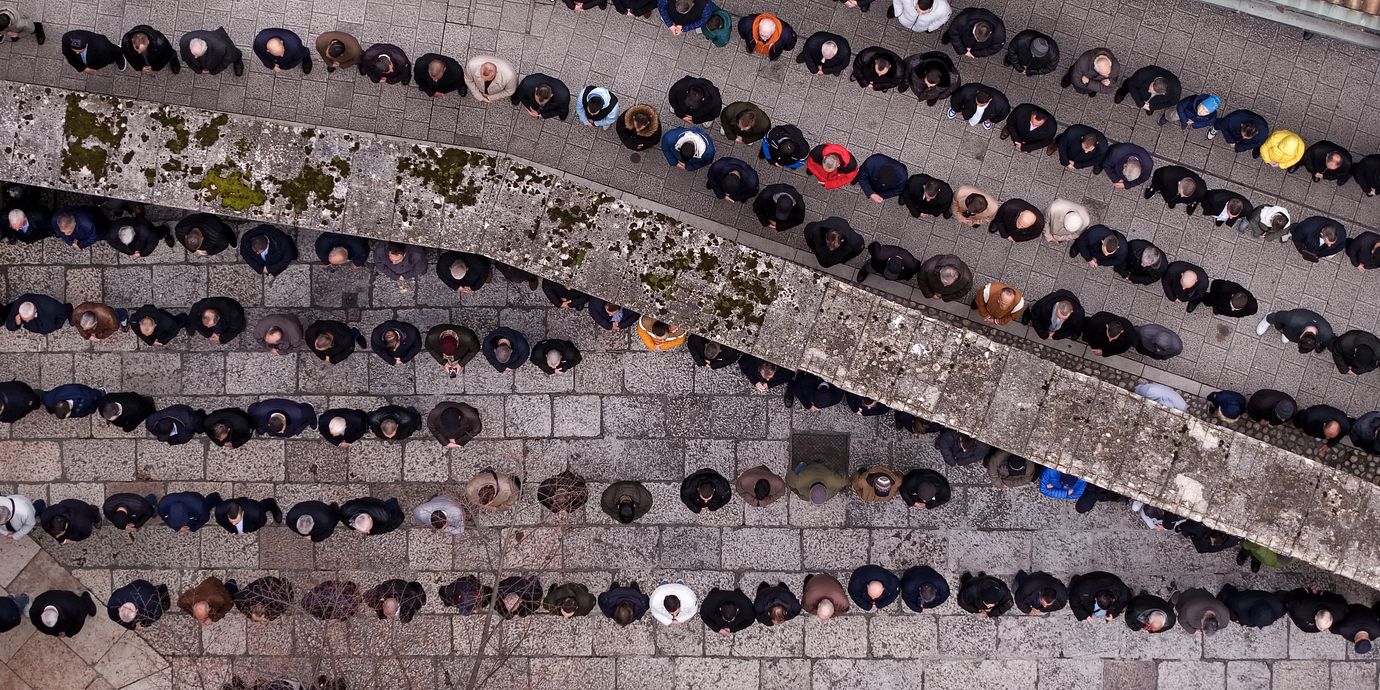
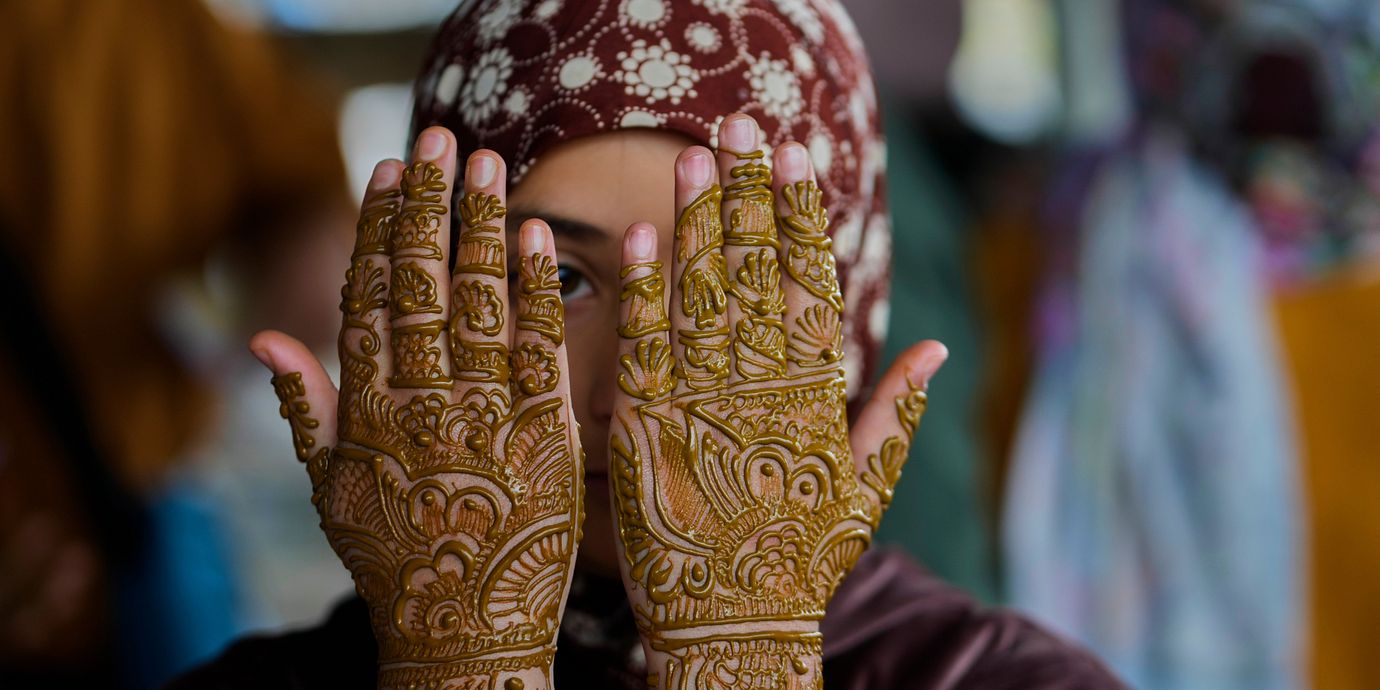
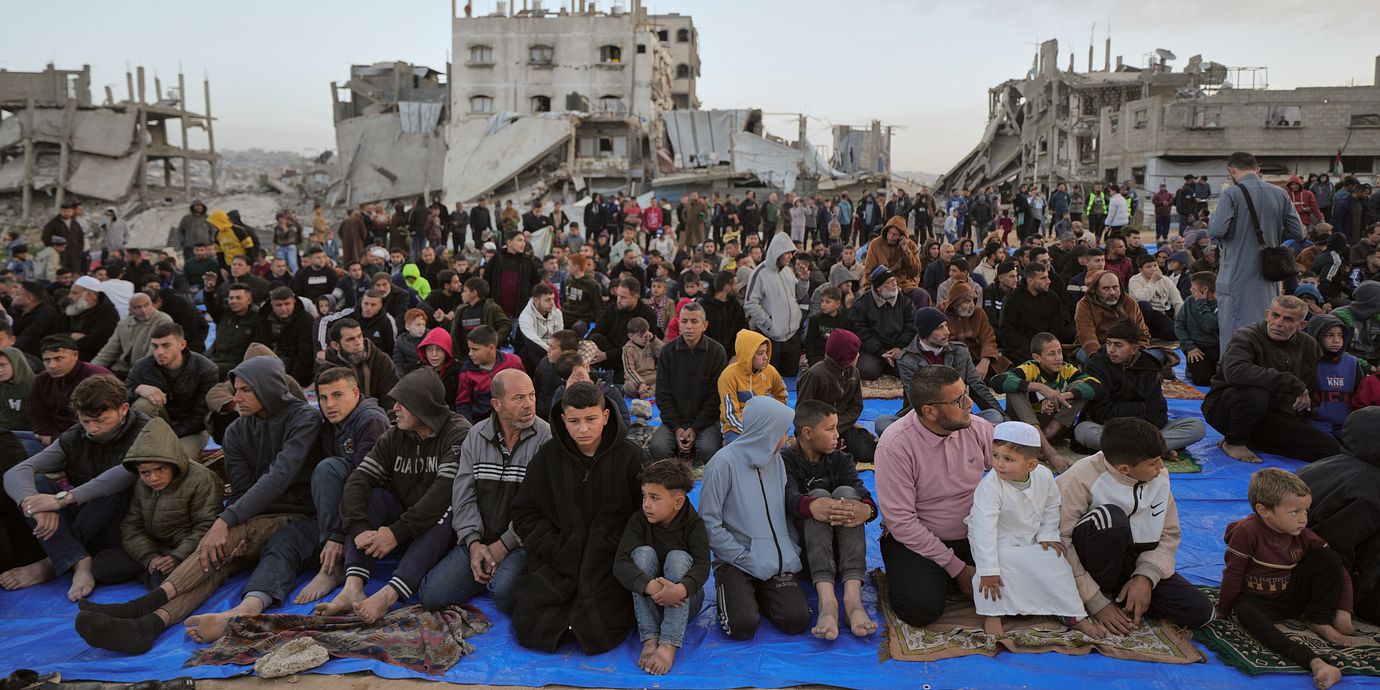
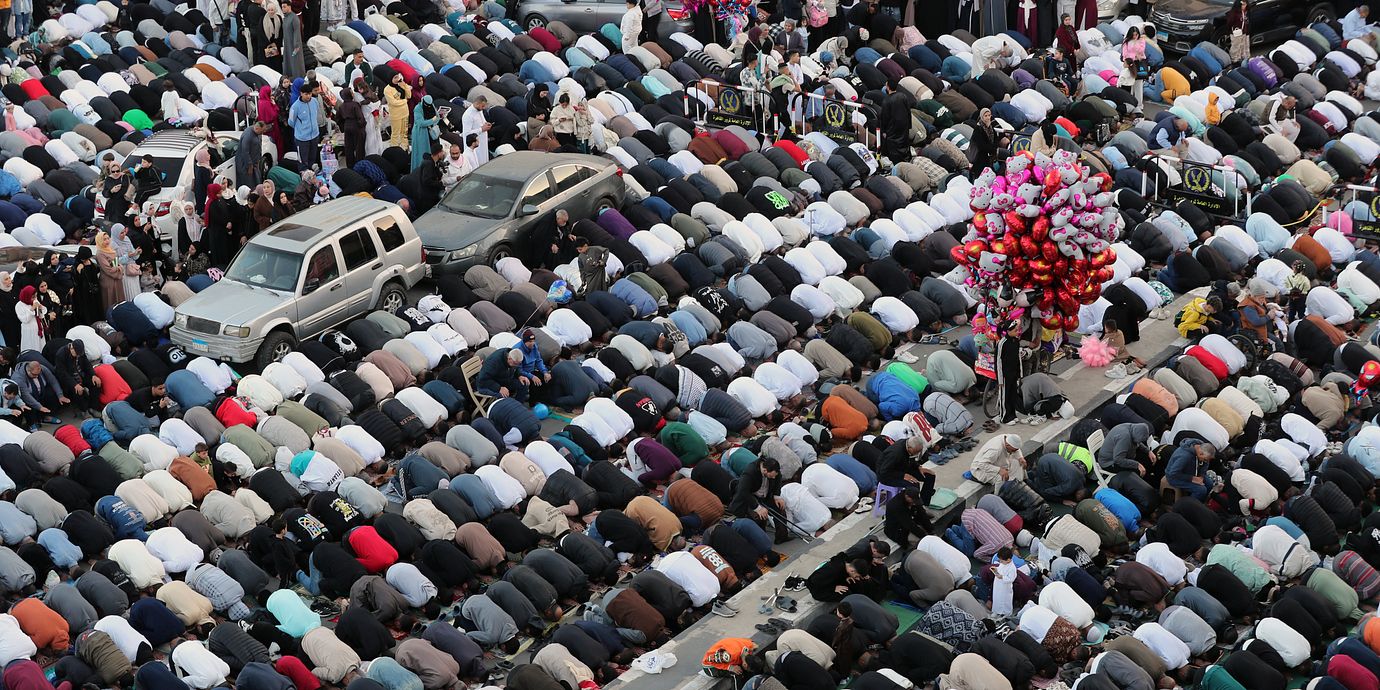
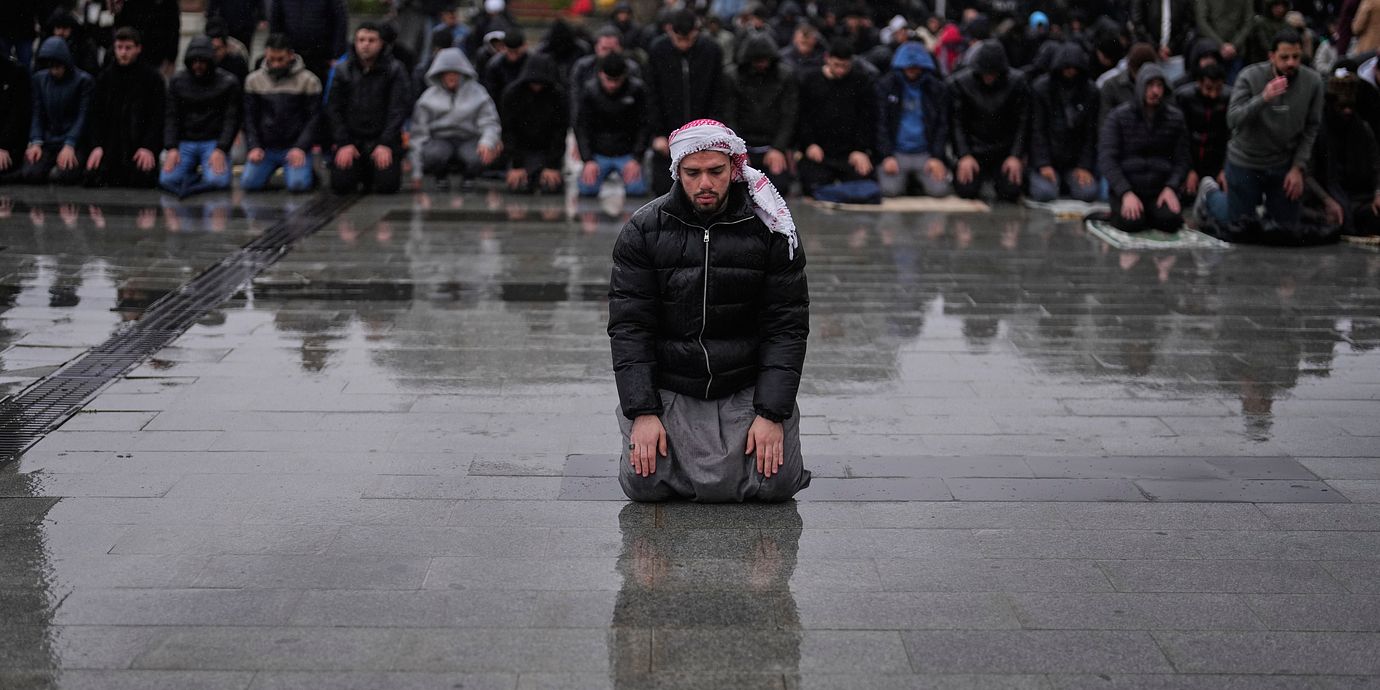
Muslimernas heliga fastemånad Ramadan går i dag i mål, vilket uppmärksammas med högtiden eid al-fitr. Högtiden firas av muslimer över hela världen.
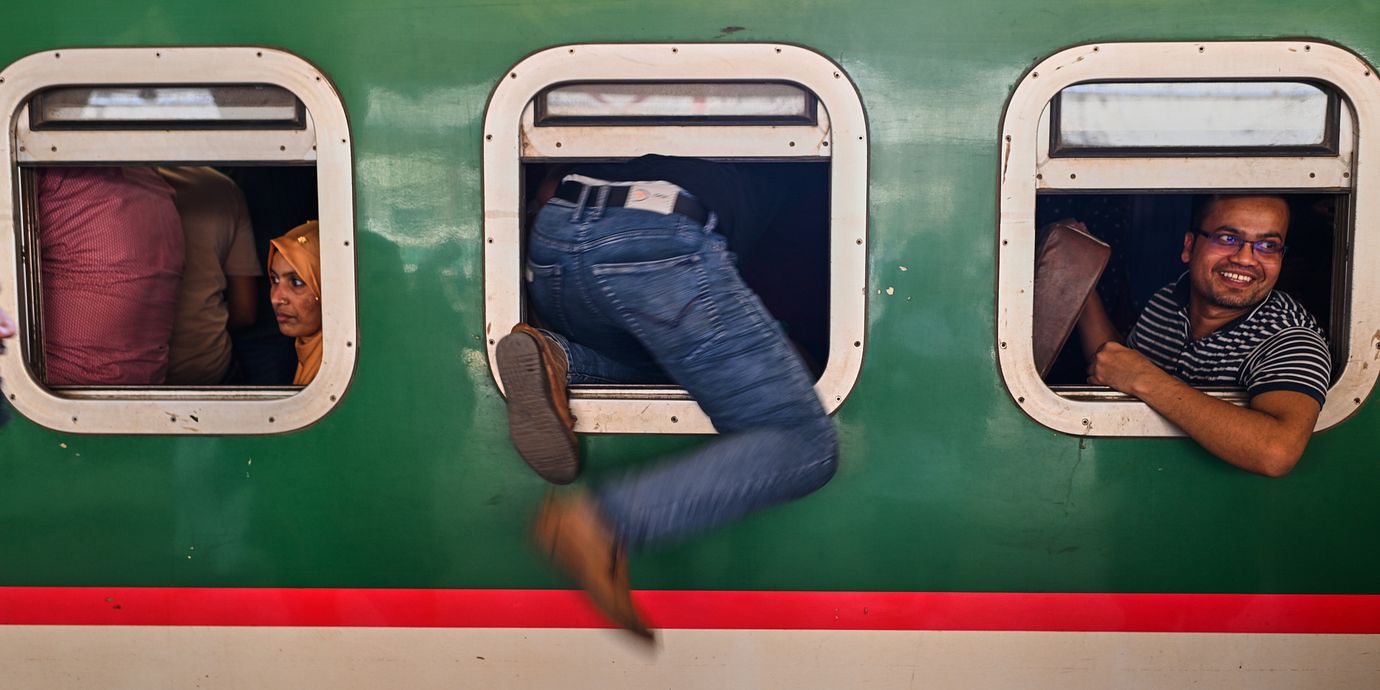
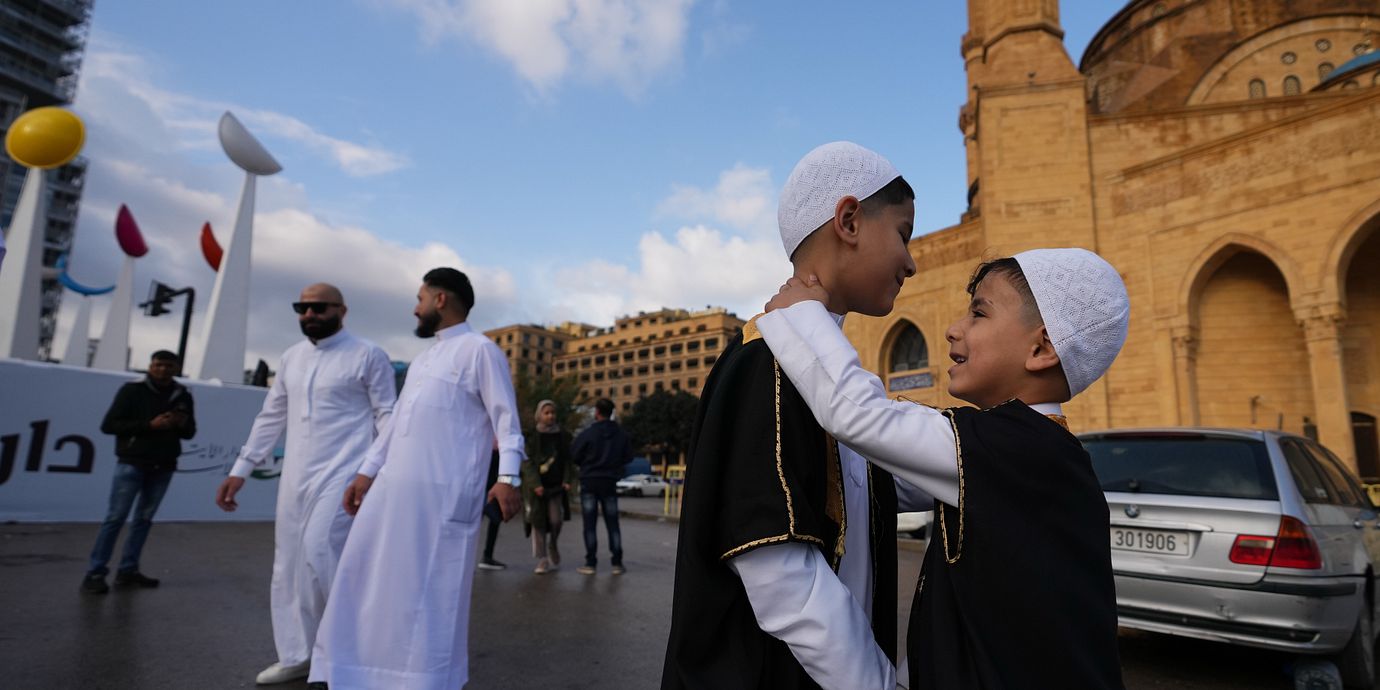
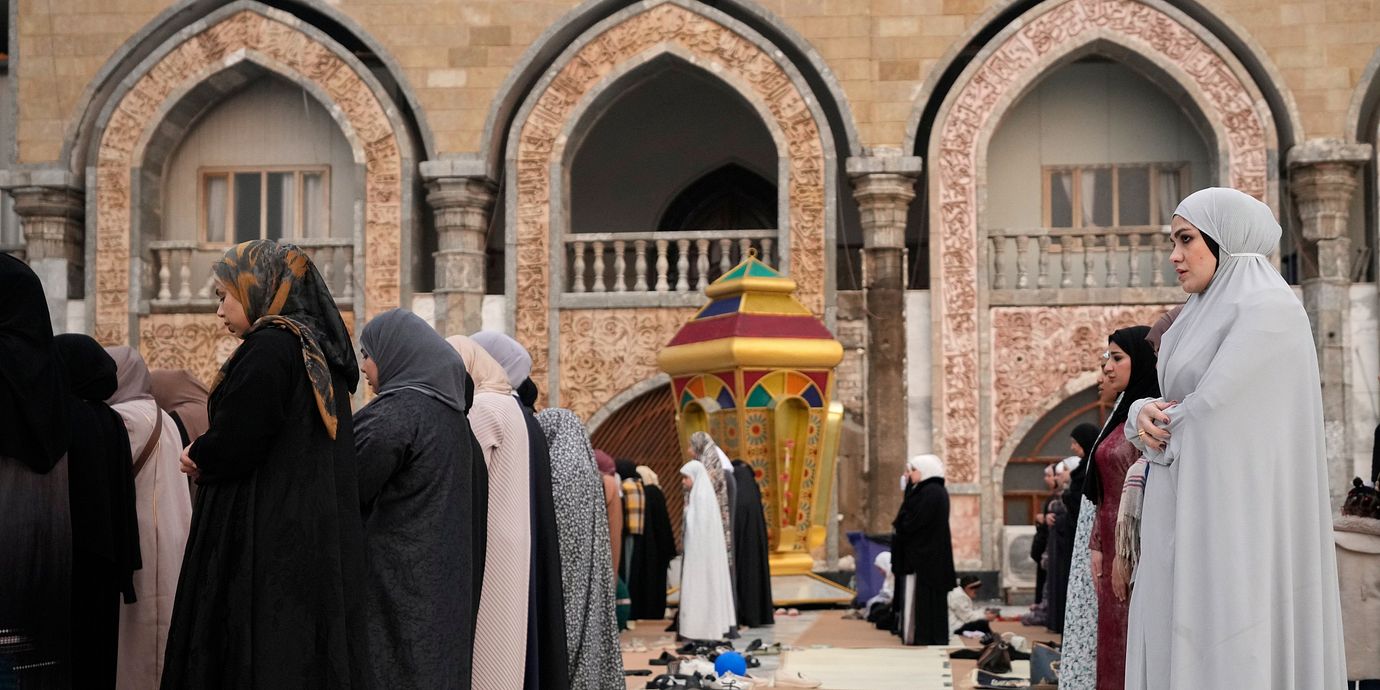
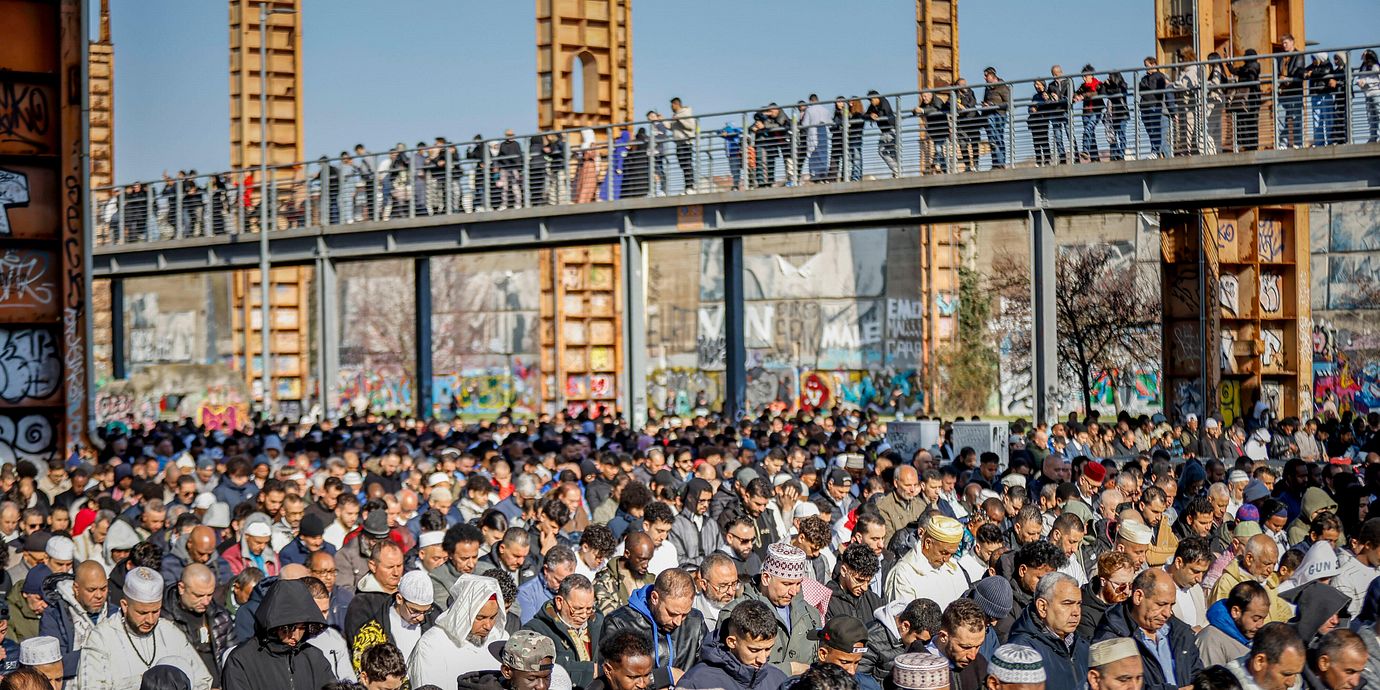
Se bilder från några av firandena här:
Läs mer
bakgrund
Eid al-fitr
Wikipedia (en)
Eid al-Fitr (Arabic: عيد الفطر, romanized: ʿĪd al-Fiṭr, lit. 'Festival of Breaking the Fast') is the first of the two main festivals in Islam, the other being Eid al-Adha. The holiday falls on the first day of Shawwal, the tenth month of the Islamic calendar. One of the most important Islamic celebrations, Eid al-Fitr is celebrated by Muslims worldwide as it marks the end of the month-long, dawn-to-dusk fasting (sawm) during Ramadan. The holiday is known under various other names in different languages and countries around the world.
Eid al-Fitr begins with a communal prayer and is followed by visits to relatives, giving gifts, and sharing meals. It has a particular salah that consists of two rakats generally performed in an open field or large hall. It may only be performed in congregation (jamāʿat) and features six additional Takbirs (raising of the hands to the ears whilst reciting the Takbir, saying "Allāhu ʾAkbar", meaning "God is the greatest"). In the Hanafi school of Sunni Islam, there are three Takbirs at the start of the first rakat and three just before rukūʿ in the second rakat. Other Sunni schools usually have 12 Takbirs, similarly split in groups of seven and five. In Shia Islam, the salat has six Takbirs in the first rakat at the end of Tilawa, before rukūʿ, and five in the second. Depending on the juristic opinion of the locality, this salat is either farḍ (فرض, obligatory) or mustaḥabb (strongly recommended). After the salat, Muslims celebrate the Eid al-Fitr in various ways with food being a central theme, which also gives the holiday the nickname "Sweet Eid" or "Sugar Feast".
In many parts of the world, Eid al-Fitr is also characterized by distinctive local customs that reflect regional cultures. Communities often mark the occasion with large family visits, public celebrations, and the sharing of traditional foods and sweets prepared specifically for the holiday. Markets and neighborhoods in several countries become especially lively as people buy new clothing, gifts, and festive meals, while charitable giving and community gatherings remain central elements of the celebration. Despite cultural differences, the festival commonly emphasizes social connection, generosity, and the strengthening of family and community ties.
Omni är politiskt obundna och oberoende. Vi strävar efter att ge fler perspektiv på nyheterna. Har du frågor eller synpunkter kring vår rapportering? Kontakta redaktionen