Senatorn: Piloter i USA klär ut sig till ”furries”
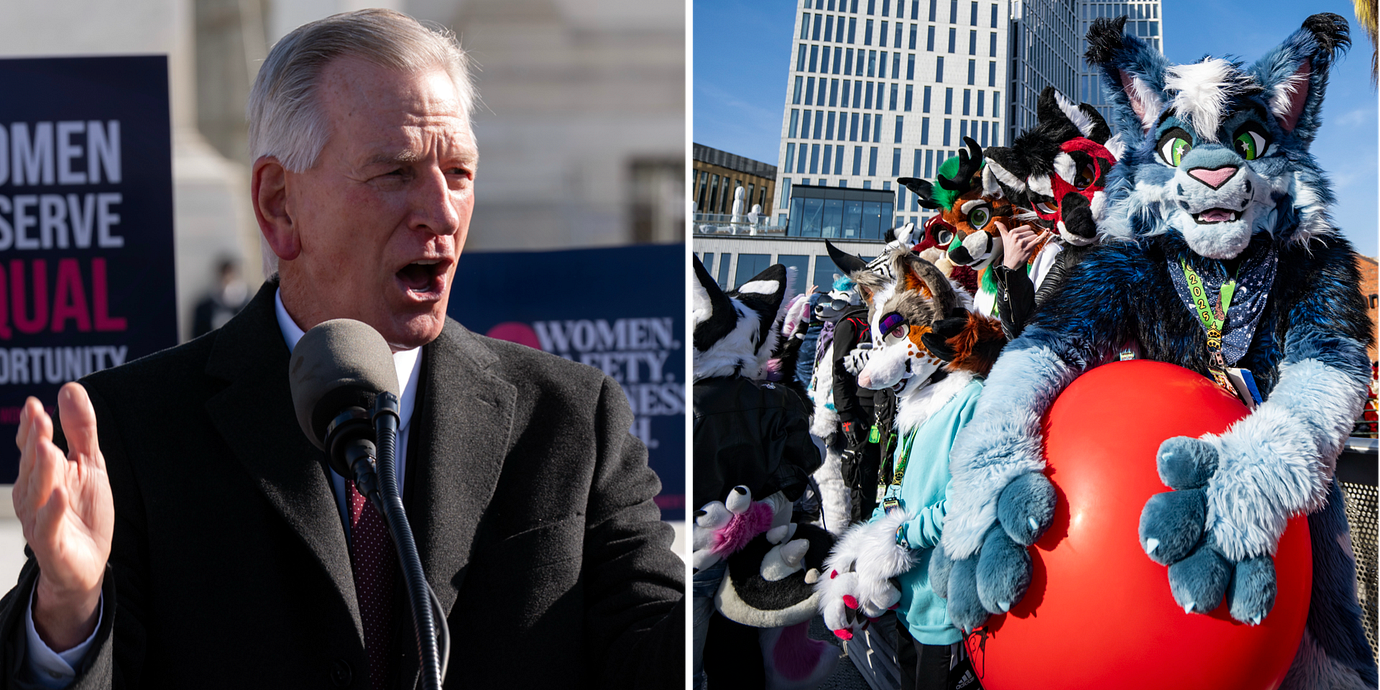
Den republikanske senatorn och Trump-anhängaren Tommy Tuberville anklagar den amerikanska flygindustrin för att vara full av ”furries”. Det skriver Independent.
Han menar att ”många” piloter, flygledare och kabinpersonal är en del av ”den lurviga gemenskapen”. Ett påstående som saknar belägg.
– När man går ombord på ett kommersiellt flygplan är det möjligt att piloten som flyger ditt plan har en galen fetisch att klä ut sig till ett djur. Det här kan man inte hitta på, säger han.
Men på sociala medier får han kritik för sitt uttalande. Användare menar att det handlar om ett skämt som spridits i flera år kring flygindustrin.
bakgrund
Furry fandom
Wikipedia (en)
The furry fandom is a subculture defined by an interest in anthropomorphic animal characters. Members of the fandom, known as furries, often identify with their own personalized characters known as fursonas, and may wear fursuits, engaging with fellow furries on the internet and at furry conventions.
While some furries engage in the subculture primarily through sexual activities, many portrayals of furries' sexuality are characterized as exaggerated and associated with a negative perception. Stigma against furries has led to individuals hiding their furry identity from friends, family, or coworkers. The furry fandom is largely male-dominated, but a significant portion of the fandom identifies as transgender, outside the gender binary, or both.
Terms for the fandom originated in the 1980s, though portrayal of anthropomorphic animals had existed previously in culture and literature. Socialization between members of the furry fandom grew through the development of the Internet, and the first furry conventions started through the efforts of artists and anthropomorphic animal fans at science fiction conventions in the 1970s, at which time highly anthropomorphized characters were known mainly as funny animals. Furry conventions have since grown to host thousands of attendees, have varying economic impact on their host cities, and are often associated with charities.
Omni är politiskt obundna och oberoende. Vi strävar efter att ge fler perspektiv på nyheterna. Har du frågor eller synpunkter kring vår rapportering? Kontakta redaktionen