Burmas armé friar sig från övergrepp på rohingyer
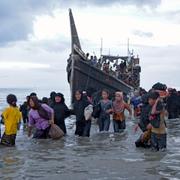
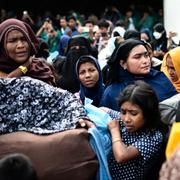
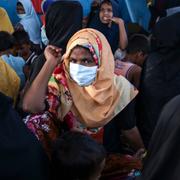
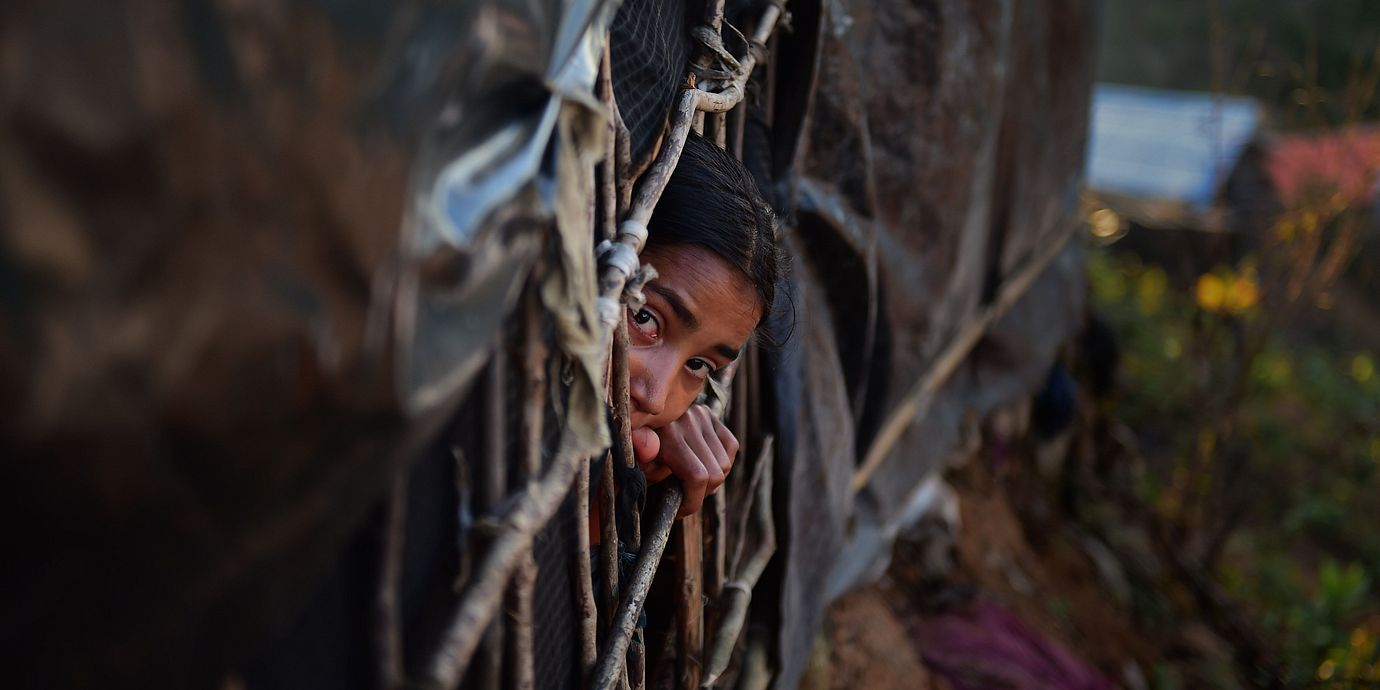
Den burmesiska armén har i en internutredning friat sig själva från allt ansvar för den muslimska minoriteten rohingyas situation, skriver BBC. Sedan i augusti har över en halv miljon flytt från Burma till grannlandet Bangladesh. De vittnar om brända byar, våldtäkter och mord – FN har beskrivit situationen som ”ett skolboksexpemel på etnisk rensning”.
I rapporten skriver armén att 3 000 bybor i delstaten Rakhine intervjuats och att säkerhetsstyrkorna ”noga följt” alla regler. Amnesty International säger i ett uttalande att armén försöker rentvå sig från förtrycket som rohingyerna utsätts för:
”Det är nu upp till det internationella samfundet att se till att dessa fruktansvärda övergrepp inte förblir ostraffade.”
bakgrund
Rohingya
Wikipedia (en)
The Rohingya people (; historically also termed Arakanese Indians) are a stateless Indo-Aryan people from Rakhine State, Myanmar. There were an estimated 1 million Rohingya living in Myanmar before the 2016–17 crisis. On 22 Oct 2017, the UN reported that an estimated 603,000 refugees from Rakhine, Myanmar had crossed the border into Bangladesh alone since August 25, 2017. This number increased to 624000 by November 2, 2017. The majority are Muslim while a minority are Hindu. Described by the United Nations in 2013 as one of the most persecuted minorities in the world, the Rohingya population are denied citizenship under the 1982 Myanmar nationality law. According to Human Rights Watch, the 1982 laws "effectively deny to the Rohingya the possibility of acquiring a nationality. Despite being able to trace Rohingya history to the 8th century, Myanmar law does not recognize the ethnic minority as one of the eight "national races". They are also restricted from freedom of movement, state education and civil service jobs. The legal conditions faced by the Rohingya in Myanmar have been widely compared to apartheid by many international academics, analysts and political figures, including Desmond Tutu, a famous South African anti-apartheid activist.
The Rohingyas have faced military crackdowns in 1978, 1991–1992, 2012, 2015 and 2016–2017. UN officials and HRW have described Myanmar's persecution of the Rohingya as ethnic cleansing. The UN human rights envoy to Myanmar reported "the long history of discrimination and persecution against the Rohingya community... could amount to crimes against humanity," and there have been warnings of an unfolding genocide. Yanghee Lee, the UN special investigator on Myanmar, believes the country wants to expel its entire Rohingya population.
The Rohingya maintain they are indigenous to western Myanmar with a heritage of over a millennium and influence from the Arabs, Mughals and Portuguese. The community claims it is descended from people in precolonial Arakan and colonial Arakan; historically, the region was an independent kingdom between Southeast Asia and the Indian subcontinent. Rohingya legislators were elected to the Parliaments of Myanmar until persecution increased in the late-20th century. Despite accepting the term Rohingya in the past, the current official position of the Myanmar government is that Rohingyas are not a national race, but are illegal immigrants from neighbouring Bangladesh. Myanmar's government has stopped recognizing the term "Rohingya" and prefers to refer to the community as Bengalis. Rohingya campaign groups, notably the Arakan Rohingya National Organization, demand the right to "self-determination within Myanmar".
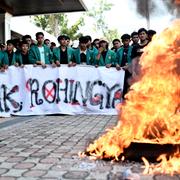
Probes by the UN have found evidence of increasing incitement of hatred and religious intolerance by "ultra-nationalist Buddhists" against Rohingyas while the Myanmar security forces have been conducting "summary executions, enforced disappearances, arbitrary arrests and detentions, torture and ill-treatment and forced labour" against the community. According to the UN, the human rights violations against the Rohingyas are "crimes against humanity".
Before the 2015 Rohingya refugee crisis and the military crackdown in 2016 and 2017, the Rohingya population in Myanmar was around 1.0 to 1.3 million, chiefly in the northern Rakhine townships, which were 80–98% Rohingya. Since 2015, over 900,000 Rohingya refugees have fled to southeastern Bangladesh alone, and more to other surrounding countries, and major Muslim nations. More than 100,000 Rohingyas in Myanmar are confined in camps for internally displaced persons. Shortly before a Rohingya rebel attack that killed 12 security forces, August 25, 2017, the Myanmar military had launched "clearance operations" against the Rohingya Muslims in Rakhine state that left over 3,000 dead, many more injured, tortured or raped, villages burned. Over 603,000 Rohingya from Myanmar, fled to Bangladesh alone, and more to other countries.According to Refugee Relief and Repatriation Commission, about 624,000 Rohingyas entered Bangladesh until November 7.
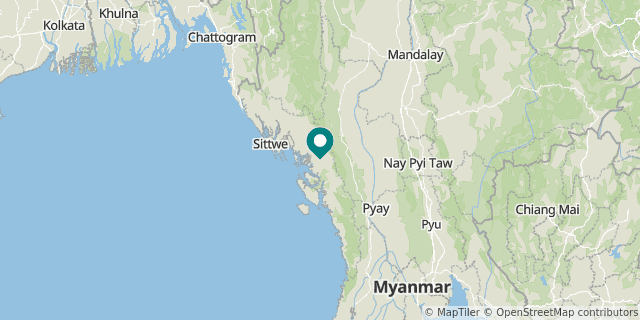
Rakhine, Burma
Omni är politiskt obundna och oberoende. Vi strävar efter att ge fler perspektiv på nyheterna. Har du frågor eller synpunkter kring vår rapportering? Kontakta redaktionen