Novos fetmapiller godkänns av EU: ”Mer än en milstolpe”
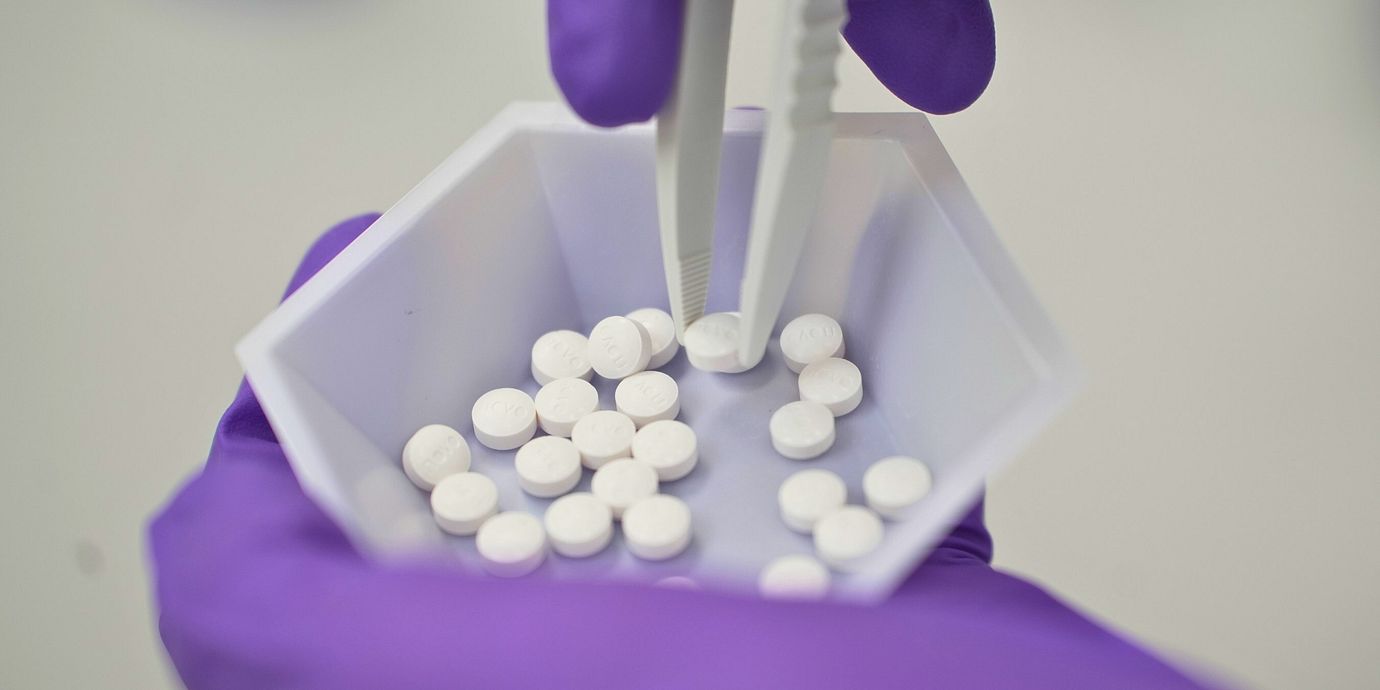
EU-kommissionen har godkänt den danska läkemedelsjätten Novo Nordisks Wegovy-piller mot fetma, skriver bolaget i ett pressmeddelande.
Godkännandet gäller för behandling av vuxna som har minst en viktrelaterad följdsjukdom och är den första så kallade GLP-1-tabletten som får grönt ljus av EU.
– Detta är mer än en milstolpe inom lagstiftningen, säger Novo Nordisks vd Mike Doustdar i pressmeddelandet.
I injektionsform är Wegovy godkänt för patienter från tolv års ålder.
bakgrund
GLP-1
Wikipedia (en)
Glucagon-like peptide-1 (GLP-1) is a 30- or 31-amino-acid-long peptide hormone deriving from tissue-specific posttranslational processing of the proglucagon peptide. It is produced and secreted by intestinal enteroendocrine L-cells and certain neurons within the nucleus of the solitary tract in the brainstem upon food consumption. The initial product GLP-1 (1–37) is susceptible to amidation and proteolytic cleavage, which gives rise to the two truncated and equipotent biologically active forms, GLP-1 (7–36) amide and GLP-1 (7–37). Active GLP-1 protein secondary structure includes two α-helices from amino acid position 13–20 and 24–35 separated by a linker region.
Alongside glucose-dependent insulinotropic peptide (GIP), GLP-1 is an incretin; thus, it has the ability to decrease blood sugar levels in a glucose-dependent manner by enhancing the secretion of insulin. Beside the insulinotropic effects, GLP-1 has been associated with numerous regulatory and protective effects. Unlike GIP, the action of GLP-1 is preserved in patients with type 2 diabetes. Glucagon-like peptide-1 receptor agonists gained approval as drugs to treat diabetes and obesity starting in the 2000s.
Endogenous GLP-1 is rapidly degraded primarily by dipeptidyl peptidase-4 (DPP-4), as well as neutral endopeptidase 24.11 (NEP 24.11) and renal clearance, resulting in a half-life of approximately 2 minutes. Consequently, only 10–15% of GLP-1 reaches circulation intact, leading to fasting plasma levels of only 0–15 pmol/L. To overcome this, GLP-1 receptor agonists and DPP-4 inhibitors have been developed to increase GLP-1 activity. As opposed to common treatment agents such as insulin and sulphonylureas, GLP-1-based treatment has been associated with weight loss and a lower risk of hypoglycemia, two important considerations for patients with type 2 diabetes.
Omni är politiskt obundna och oberoende. Vi strävar efter att ge fler perspektiv på nyheterna. Har du frågor eller synpunkter kring vår rapportering? Kontakta redaktionen